China Daily Energy & Industrial Intelligence Brief
📊 Key Market Indicators
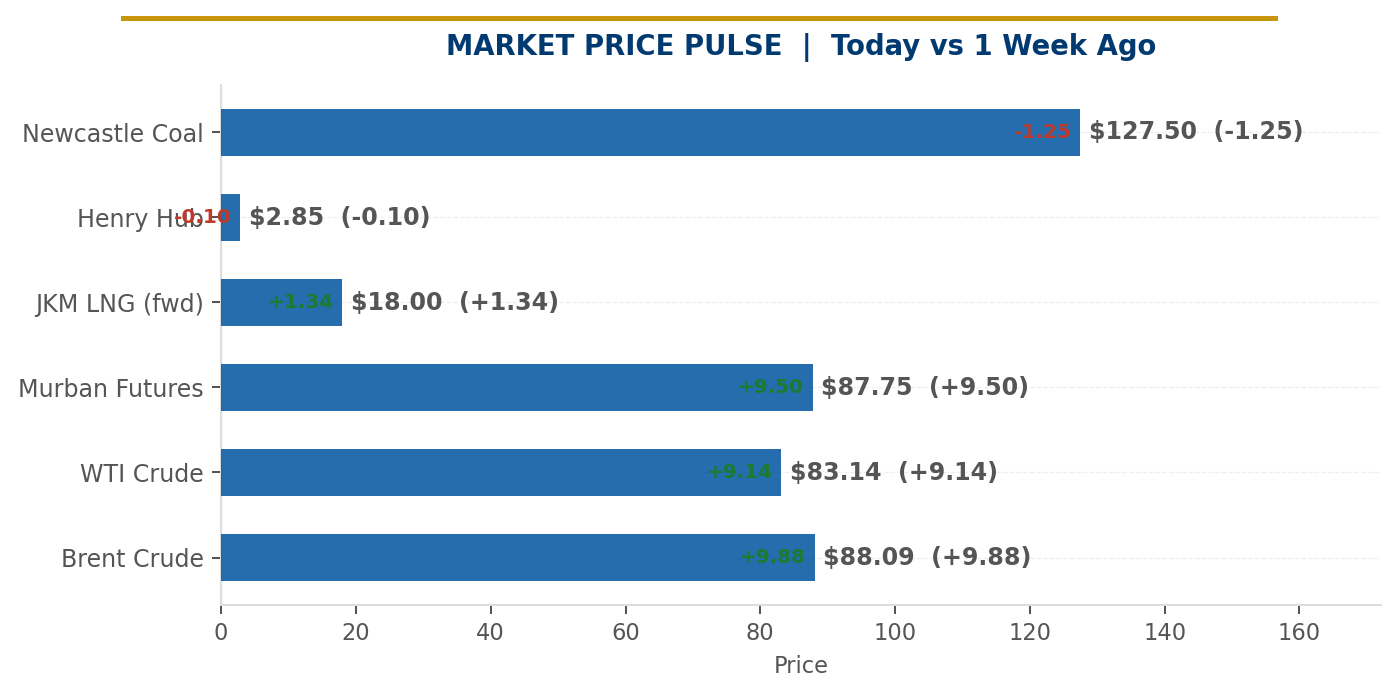
📈 Market Price Pulse
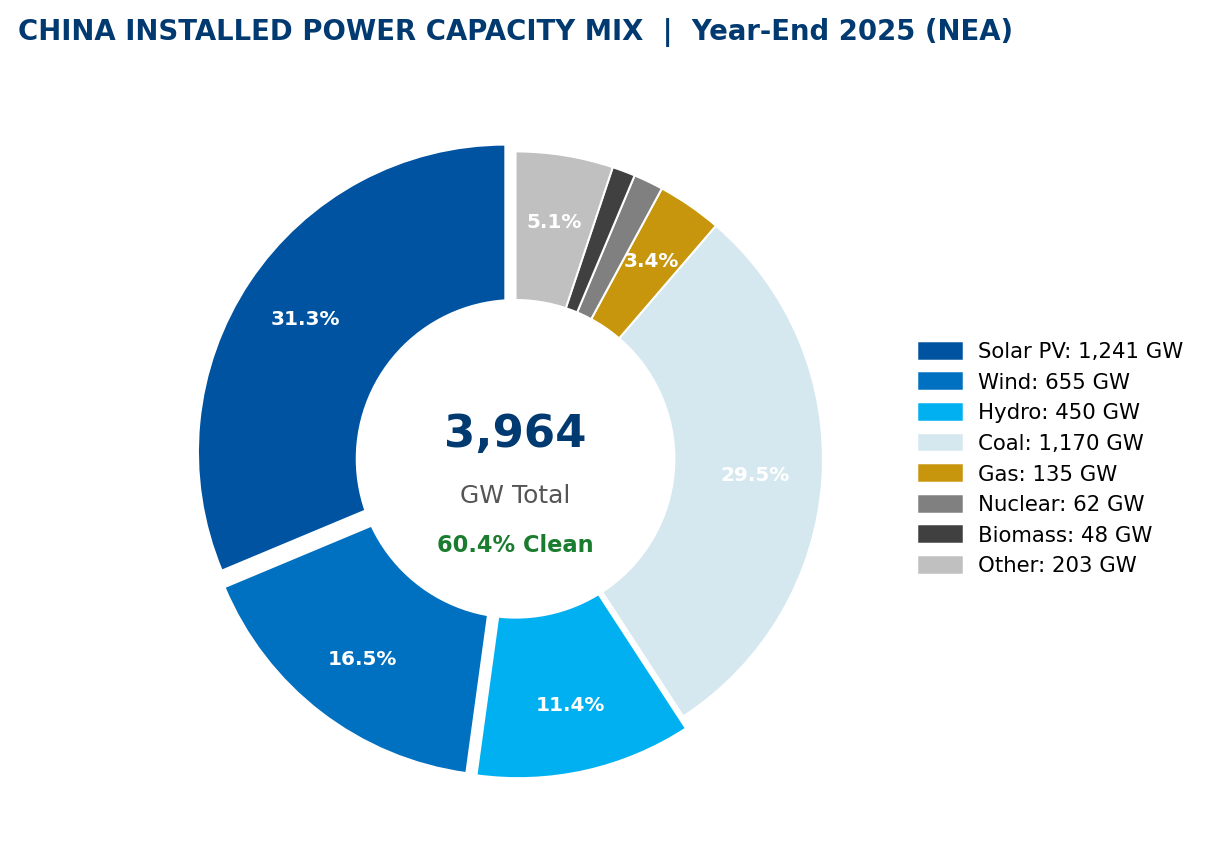
⚡ China Energy Mix
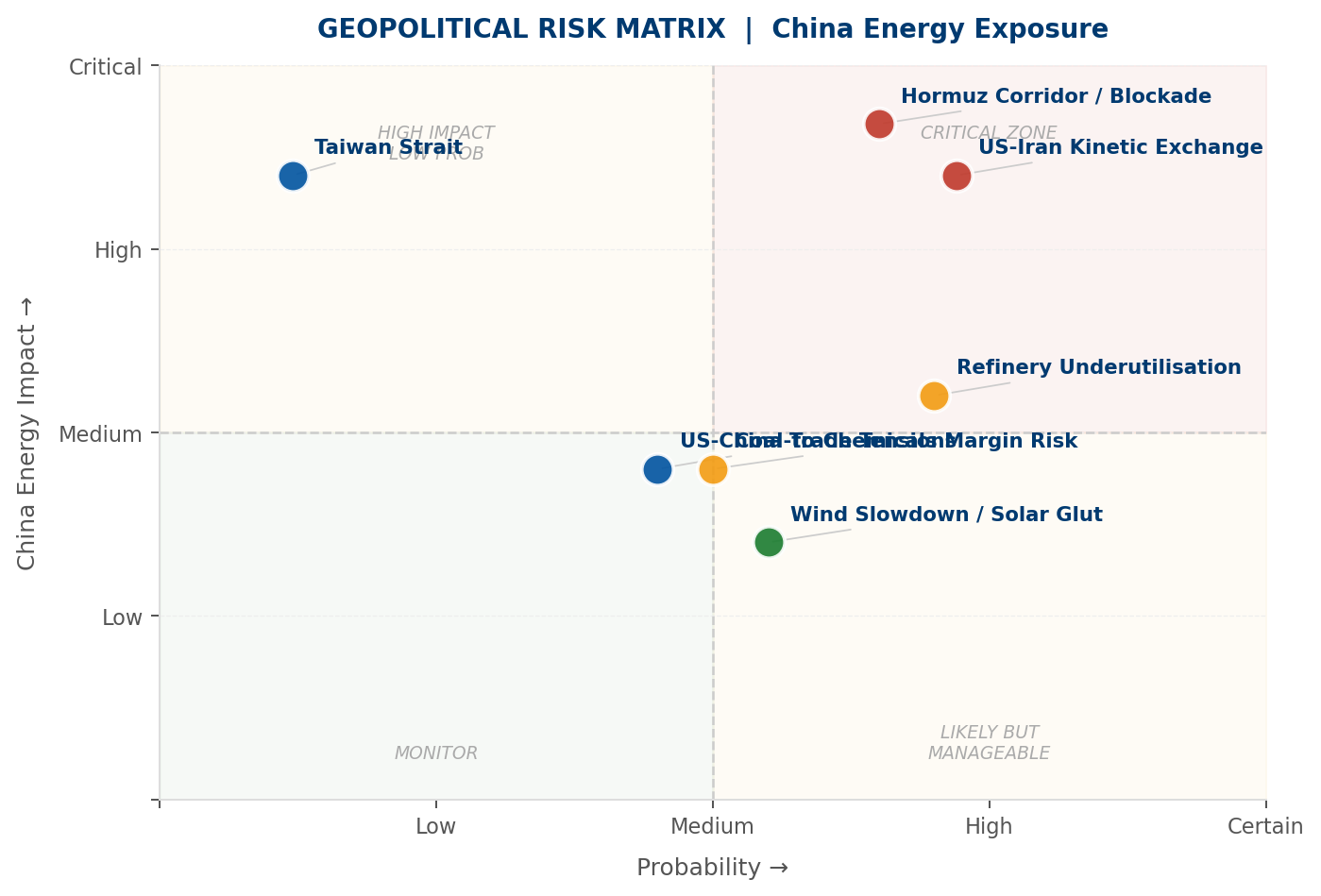
🌍 Geopolitical Risk Matrix
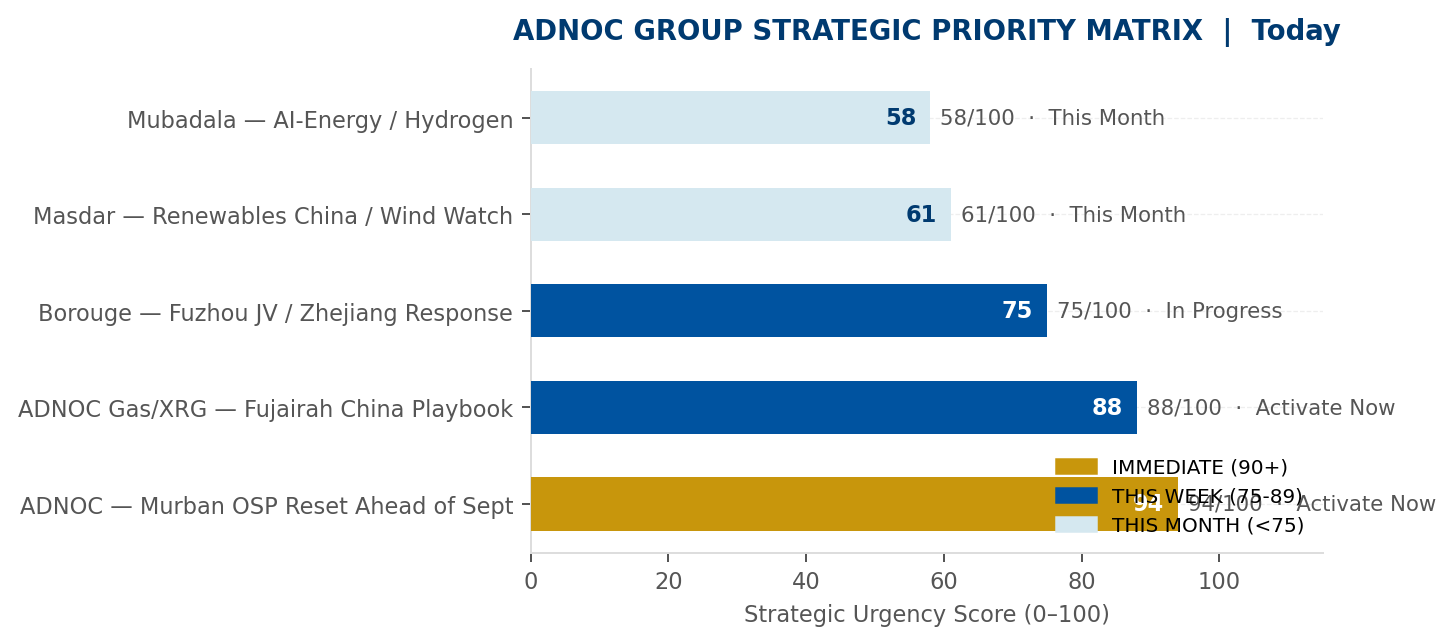
🏢 ADNOC Group Priority Urgency
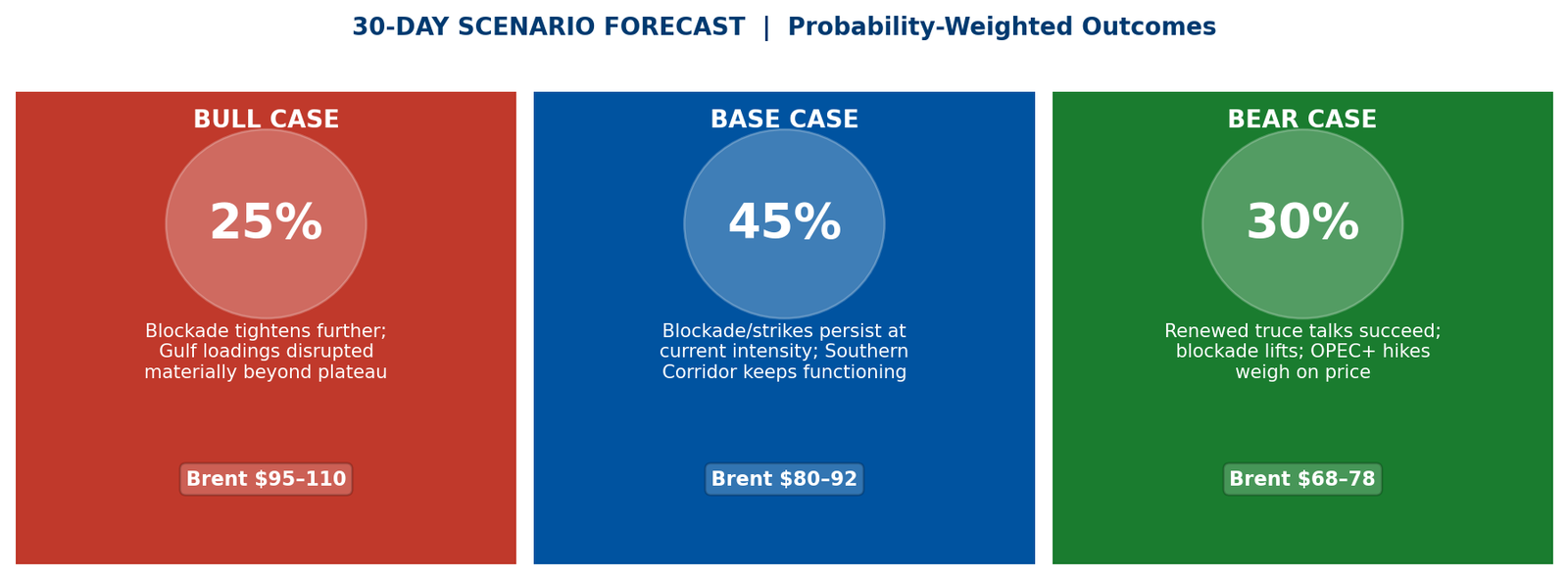
🔮 30-Day Scenario Forecast
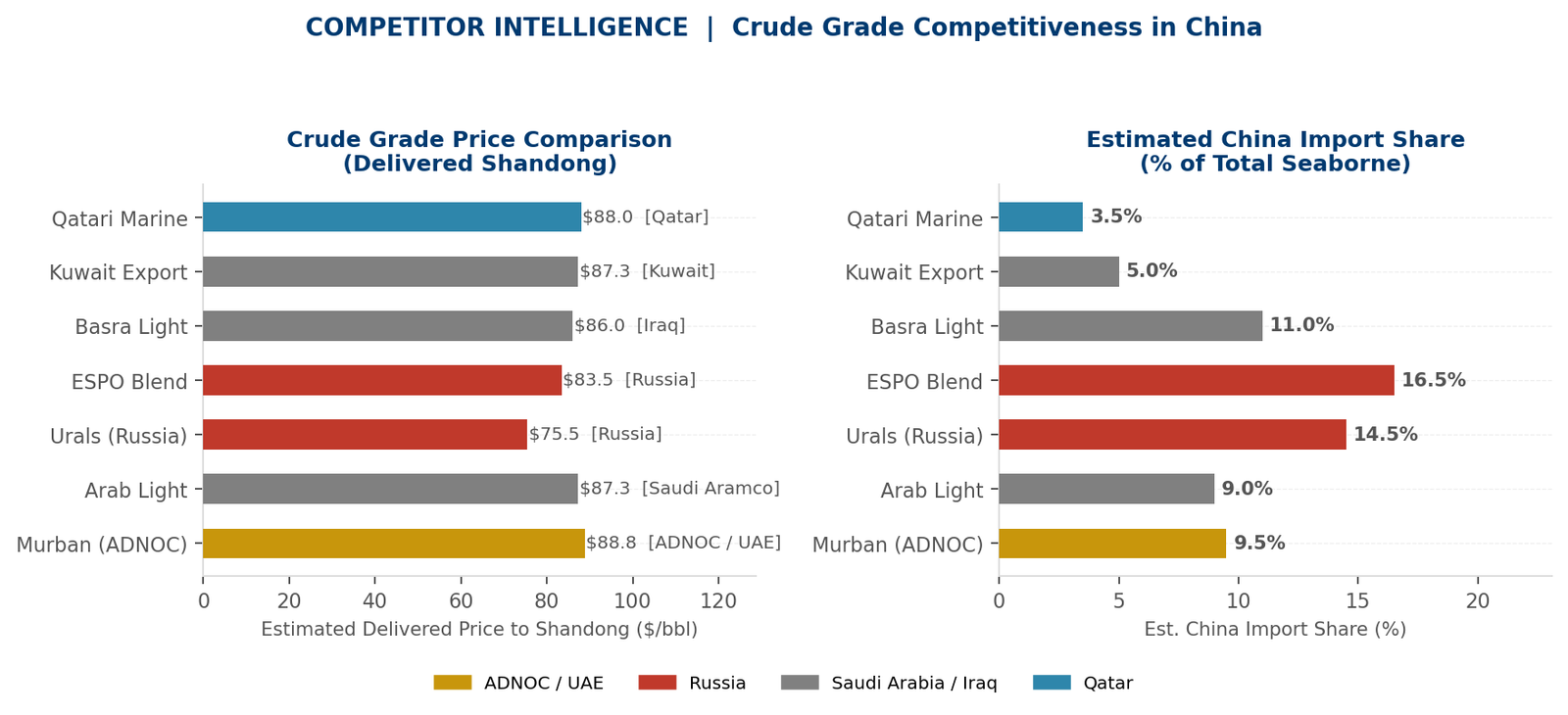
🔍 Competitor Intelligence
📋 Full Intelligence Report
ADNOC China Daily Energy & Industrial Intelligence Brief
19 July 2026 | Sunday | Classification: ADNOC Internal | 08:00 GST | Enhanced Edition
POLICY SENTIMENT SCORE: 5.1/10 — NEUTRAL (quiet Sunday, no fresh NDRC/NEA notice; mid-July policy wave decaying into implementation phase)
Executive Summary
China’s energy signal on 19 July 2026 is Hormuz re-escalating to a one-month high, and the Murban OSP-spot gap has flipped. Brent surged 4.58% to $88.09 on 17 July (intraday high $88.38) as the ceasefire collapse from early July continues to disrupt Hormuz shipping. WTI trades near $83.14 and Murban futures are estimated near $87.75.
This is a structurally important reversal for ADNOC: the August Murban OSP ($80.01/bbl) is now roughly $8/bbl below the current Brent plateau, rather than above it as in the June-July period. Every barrel ADNOC sells at the OSP through the rest of August is being sold at a meaningful discount — a live margin question for the September reset, and simultaneously a short-term competitive advantage to lock in Chinese offtake now.
This Sunday’s National Overview synthesises the week’s six provincial deep dives (Shandong, Xinjiang, Guangdong, Jiangsu/Zhejiang, Beijing, Hebei/Inner Mongolia) into cross-province themes: a nationwide refining slowdown running alongside resilient upstream output and a renewables build-out setting new records in China’s north and west.
Executive Dashboard — Key Market Indicators
Market Dashboard
| Market Marker | Latest Price | Signal / Trend | Dir |
|---|---|---|---|
| Brent Crude | $88.09/bbl | +$9.88 vs 1 week ago; 1-month high | ↑ Surging |
| WTI Crude | $83.14/bbl | +$9.14 vs 1 week ago | ↑ Surging |
| Murban Futures | $87.75/bbl (est.) | ~$8 above the $80.01 August OSP | ↑ Surging |
| JKM LNG (fwd) | $18.00/MMBtu | Round-tripped from $15.30 post-ceasefire low | ↑ Firming |
| Henry Hub | $2.85/MMBtu | -$0.10 vs 1 week ago | ↓ Soft |
| Newcastle Coal | $127.50/t | -$1.25 vs 1 week ago | ↓ Soft |
Top Developments
- Hormuz crisis re-escalates: Brent hit a one-month high ($88.09, 17 Jul) as the early-July ceasefire collapse continues to disrupt tanker traffic.
- Murban OSP-spot gap flips: August OSP ($80.01) now trades ~$8/bbl below spot — a reversal from the prior lag dynamic, and a live commercial opportunity to lock in Chinese offtake.
- China’s June crude imports hit a decade low (29.27 MT, -41.3% YoY) even as refinery throughput fell 17.7% YoY to the lowest since March 2020.
- Upstream stays resilient: crude output +0.9% YoY for H1, a clean divergence from the throttled downstream.
- NDRC raises domestic fuel prices for the first time in three cycles (+RMB 300/290 per tonne, effective 17 July).
- China’s LNG imports recover to an estimated 5.62 MT in July, the highest since January, as spot LNG climbs back to $18.00/MMBtu.
- Sinopec completes China Aviation Oil absorption, creating China’s only closed-loop aviation-fuel SOE.
- Xinjiang’s H1 power exports surge 25.11% YoY to 79.12 billion kWh on a grid that has passed 267 GW of installed capacity.
- Saudi Aramco’s July China allocation holds at a record low (~387kbd); ADNOC’s June 30M-bbl Fujairah sale (40-47% to Chinese-linked buyers) remains the counter-playbook.
- OPEC+ confirms a fifth consecutive +188kb/d hike for August, now in tension with the renewed Hormuz shock.
National Overview — Weekly Provincial Synthesis
Sunday’s provincial focus synthesises the week’s six deep dives (Shandong, Xinjiang, Guangdong, Jiangsu/Zhejiang, Beijing, Hebei/Inner Mongolia) into three cross-province themes: (1) a nationwide refining/import slowdown running alongside resilient upstream output; (2) a clean-power export boom concentrated in Xinjiang and Inner Mongolia, structurally decoupled from Hormuz volatility; and (3) the coastal industrial corridor (Fujian, Zhejiang, Guangdong, Jiangsu) as the real battleground for ADNOC’s competitive position against Saudi Aramco in China’s petrochemicals and refining sectors.
Top 5 Opportunities
- Press the flipped Murban OSP-spot gap into locked-in China volume before the September reset.
- Convert the June Fujairah sale into a repeatable China offtake playbook.
- Pursue the spot-cargo LNG window as JKM firms.
- Pre-position hydrogen/XRG conversations ahead of NEA Order No. 42 (1 August).
- Scope a second Borouge equity-and-offtake structure and an inland clean-power entry point for Masdar.
Top 5 Risks
- OSP-gap dynamic could reverse or overshoot depending on blockade timing.
- Teapot demand destruction limits volume available to capture even at attractive pricing.
- Fujairah sale’s Chinese share gain may prove opportunistic, not structural.
- A fresh tanker incident could trigger further escalation.
- Wind slowdown could be a genuine trend requiring confirmation before Masdar commitments.